Rethinking Communication Through the Eyes of Animals
One of my favorite spaces of life from which I draw MANY analogies for my clients is the animal world. Pets in particular often have an extraordinary capacity to teach us about communication– without saying a single word. In our human social networks, where interactions are dominated by spoken and written language, animals are excellent reminders that connection with others should begin with an awareness of our physical selves and space. Whether it’s the subtle shift of a dog’s posture, the calming rhythm of a horse’s breath, or the alert stillness of a kitty cat, animals communicate completely with their bodies. When humans learn to pay attention to these cues, we can begin to reflect on our animals’ emotions and improve our examination of our emotional states. Animals respond to what we feel and how our bodies convey those feelings, not just what we say. They afford us a gentle way to hold ourselves accountable for understanding our emotions and how they manifest in our body language–encouraging honesty, regulation, and self-awareness.
This type of accountability is only one of the powerful lessons animals offer about nonverbal communication. Since they rely almost entirely on body language, tone, and energy to interpret the world around them, they highlight each unique component of nonverbal communication for us in special ways. So, as animals invite us to be more mindful of our own nonverbal signals, we are prompted to consider all the avenues of nonverbal communication available to us: our posture, facial expressions, and even the pacing of our movements can influence the messages we send to others. When we pay attention to how our language and nonverbal cues may conflict during our interactions with animals, we can quickly learn that inconsistency between our spoken words and our body language creates confusion and, when disparate enough, even mistrust. By encouraging humans to engage in this type of deep reflection on their communication, animals can help us become more congruent communicators, aligning what we feel with what we think, and how we ultimately express ourselves.
I’m not the only expert who loves to draw on the wisdom of the animal kingdom to help humans tap into their natural capacity for empathy and nonverbal communication skills. Temple Grandin has long emphasized how much humans have to learn from observing and engaging with animals. Grandin, as an animal expert and individual with ASD, has drawn attention to the fact that animals think in sensory-based, concrete ways–offering valuable insight into how communication styles can differ from typical verbal processing–an important insight when trying to understand how neurodivergent minds process our world. For many neurodivergent individuals, animals can serve as powerful partners in learning to communicate, providing a safe, judgment-free space to practice connecting and expressing their emotions through nonverbal cues. As a neurodivergent human myself, I know all too well just how powerful an animal ally can be in one’s journey to learning about oneself and how to be oneself in our neurotypical, language-oriented environment that isn’t designed to accommodate people like me. Ultimately, animals don’t just teach us how to communicate better with them–they help us become more present, empathetic, and authentic in all of our relationships.
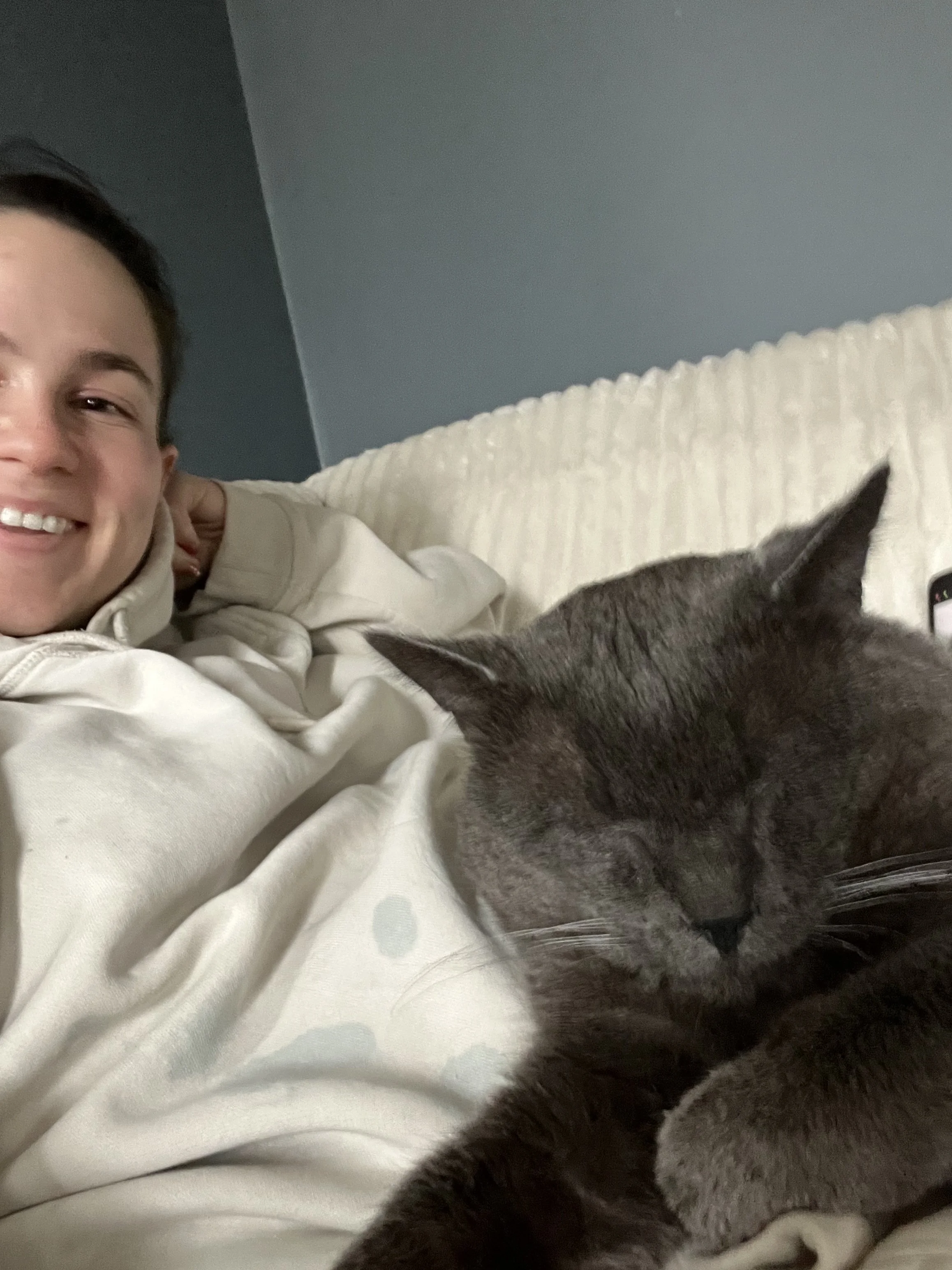
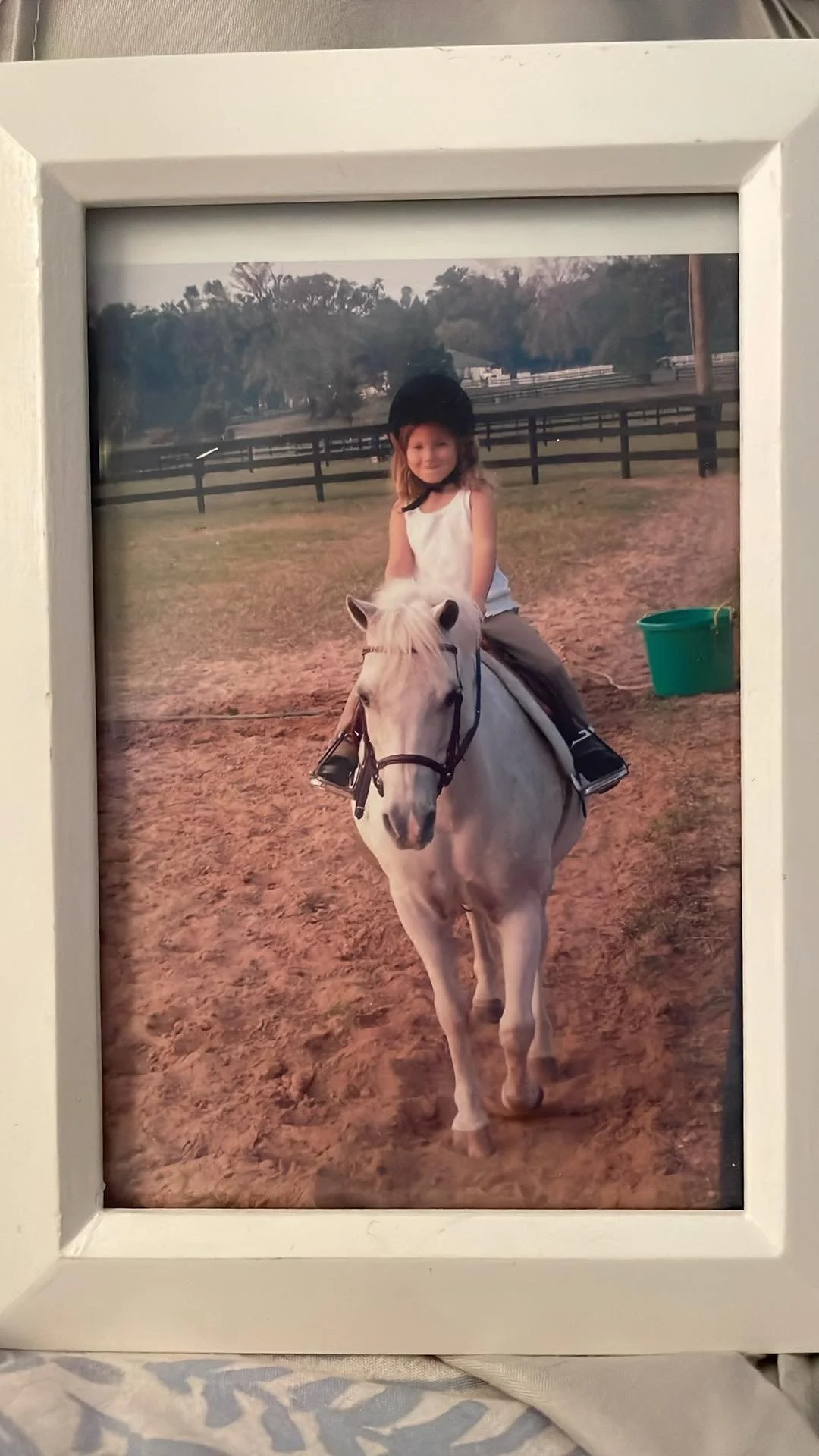
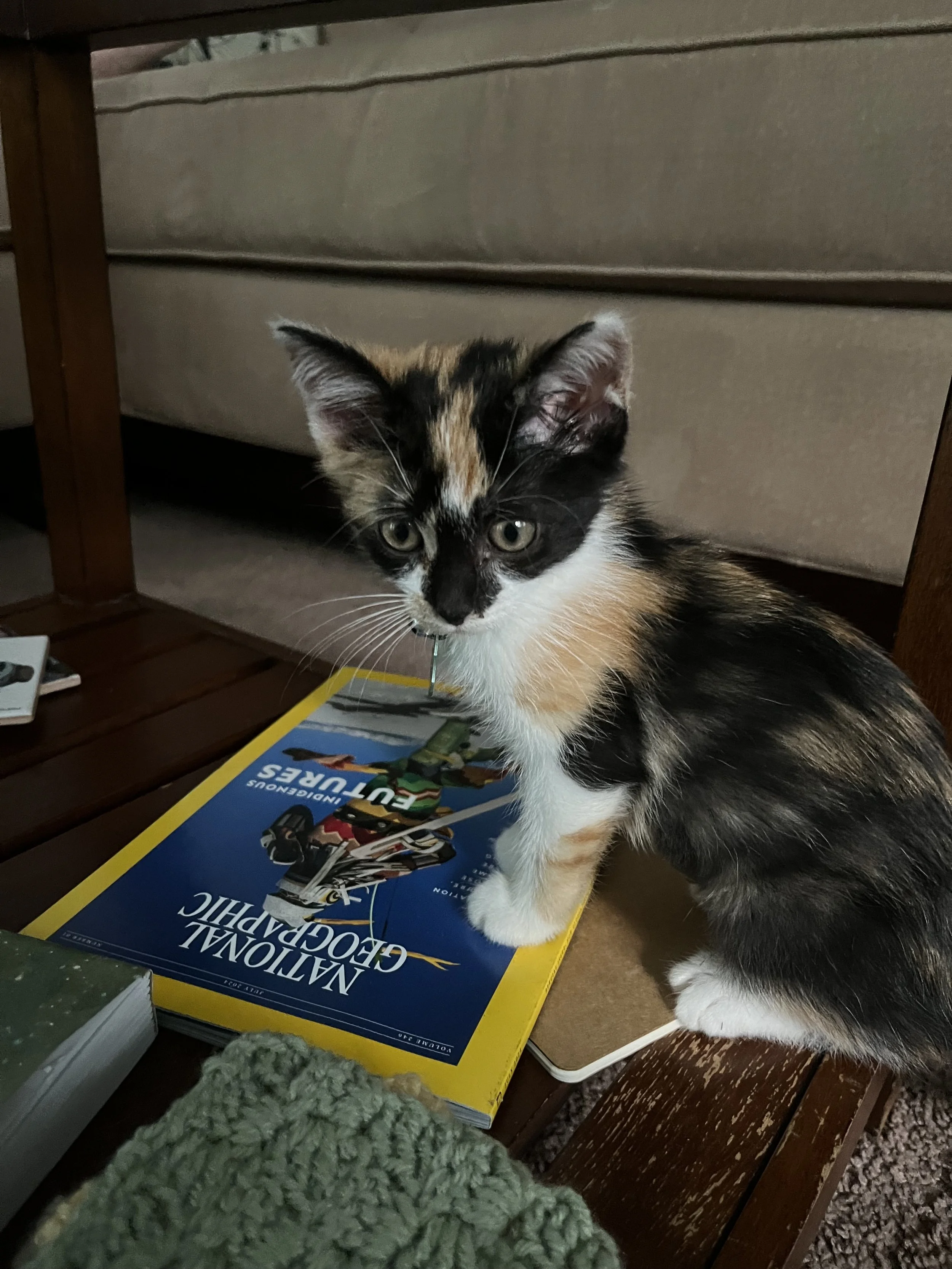
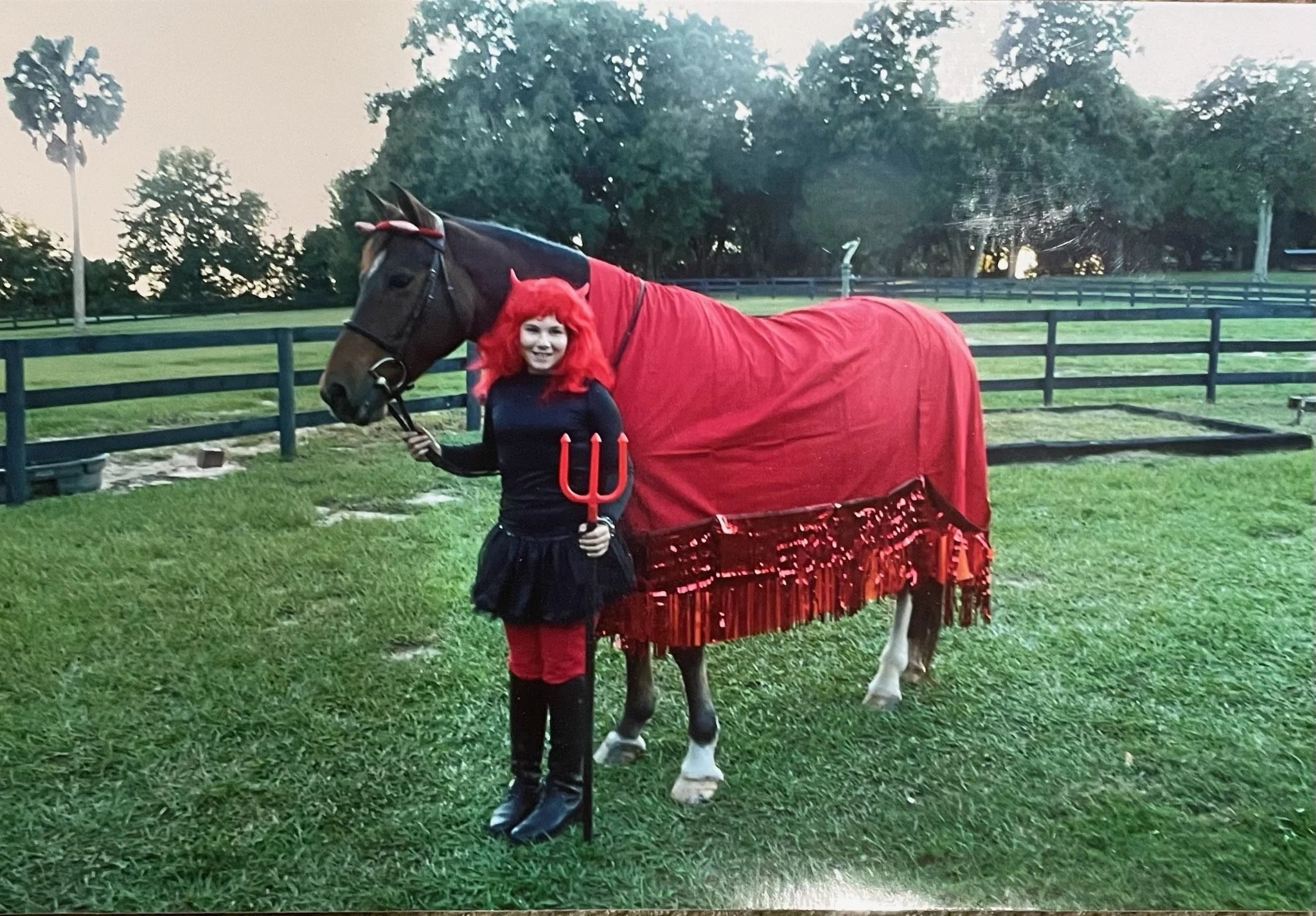
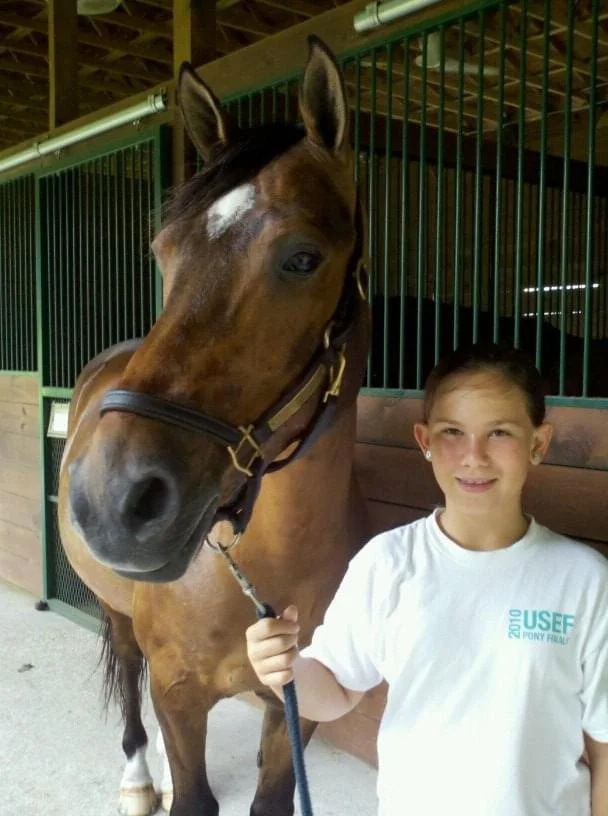
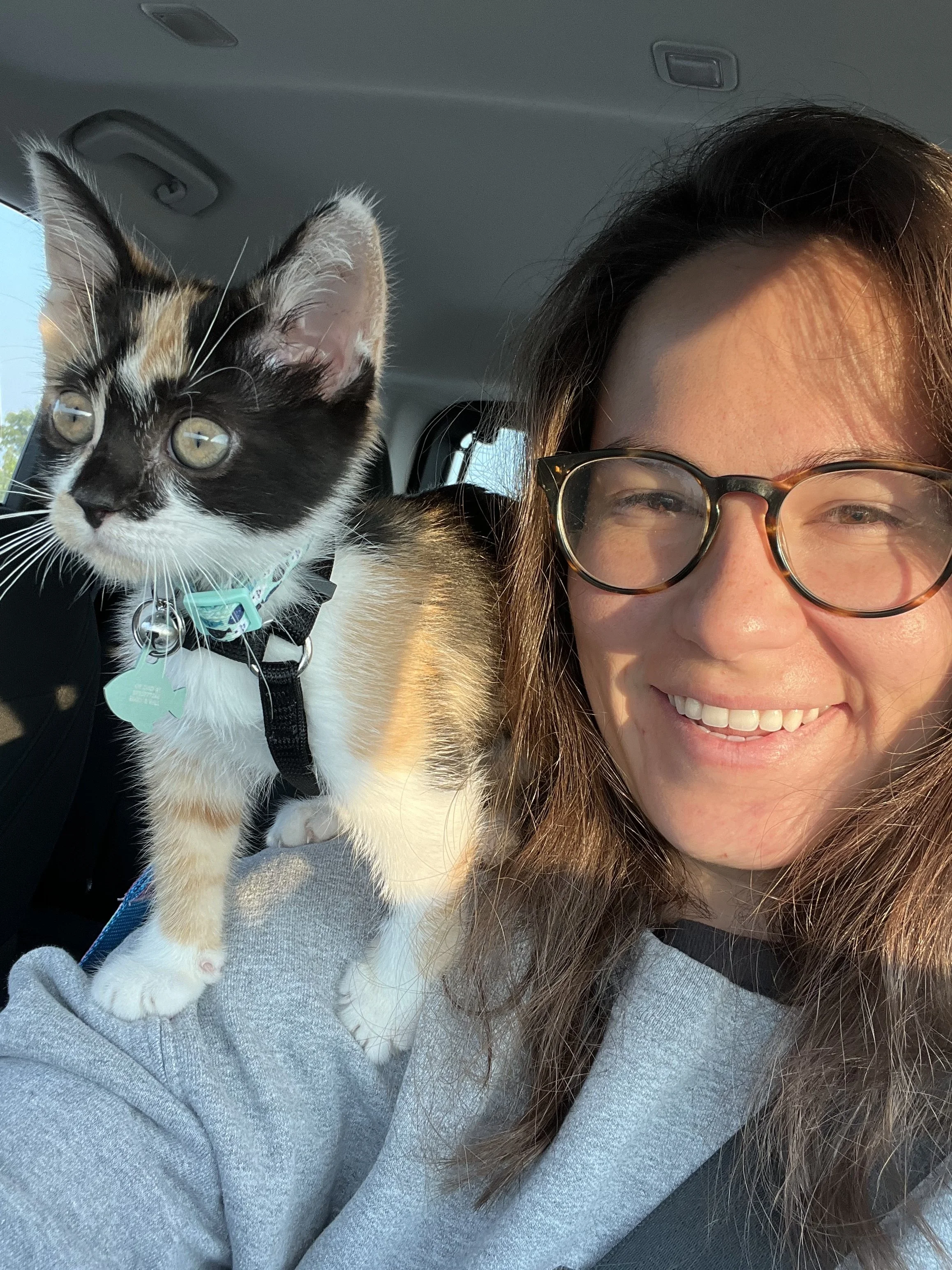
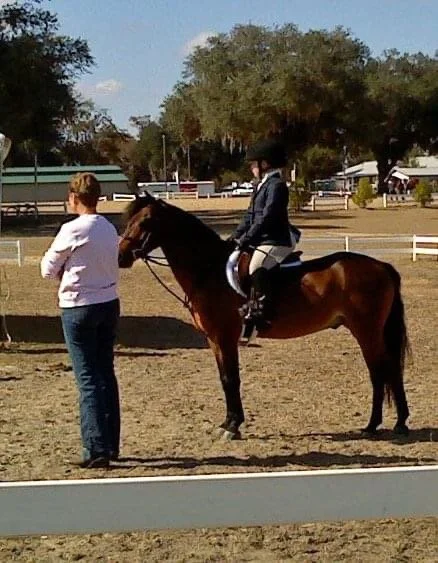
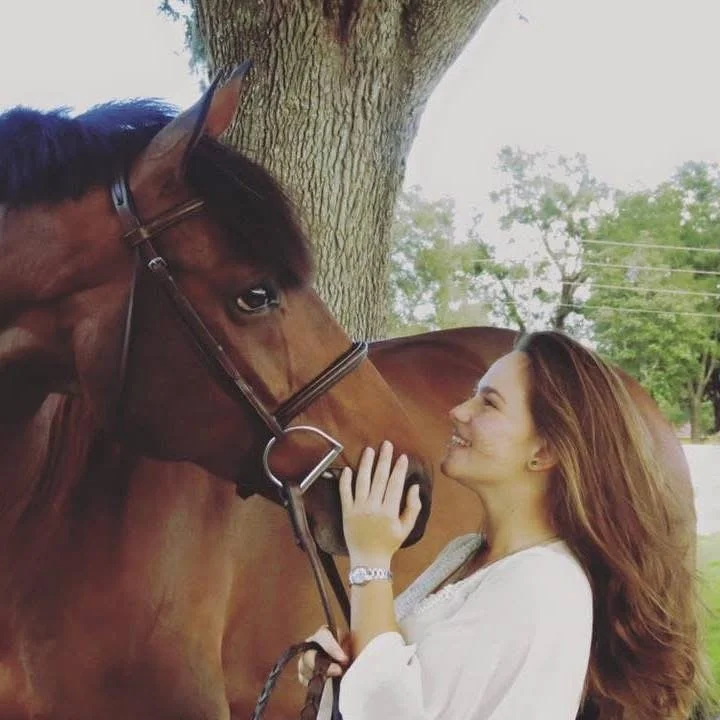
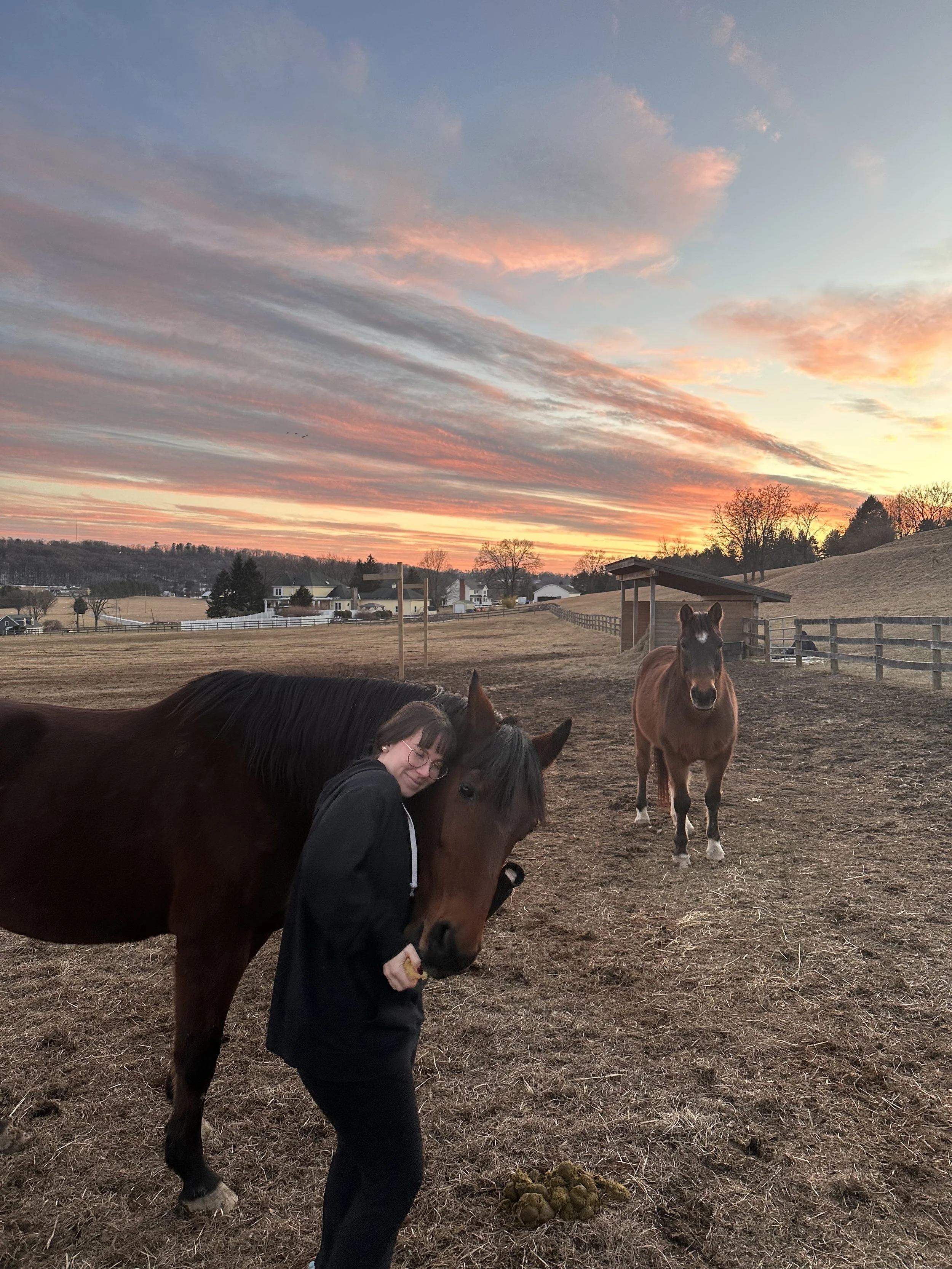
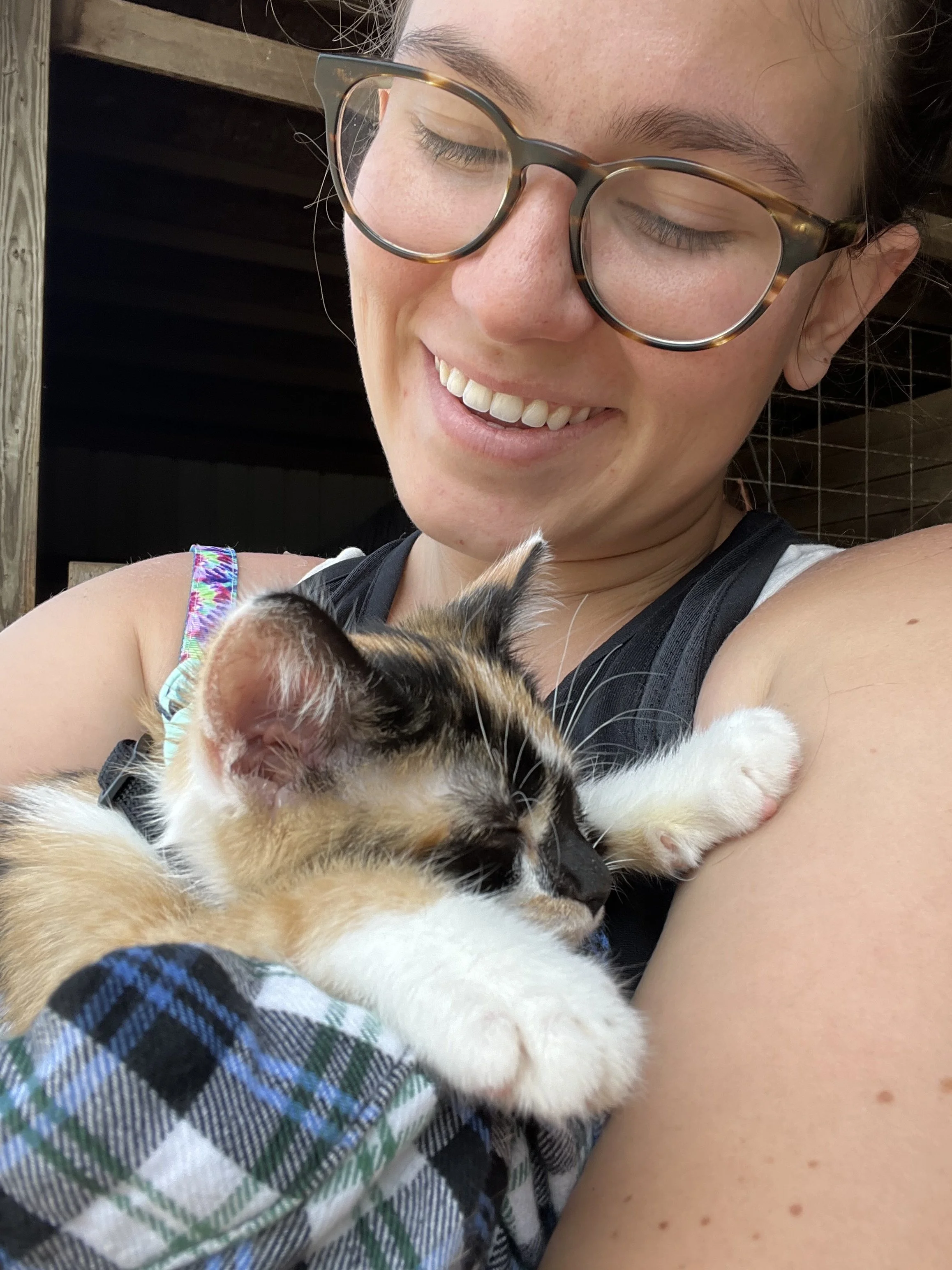
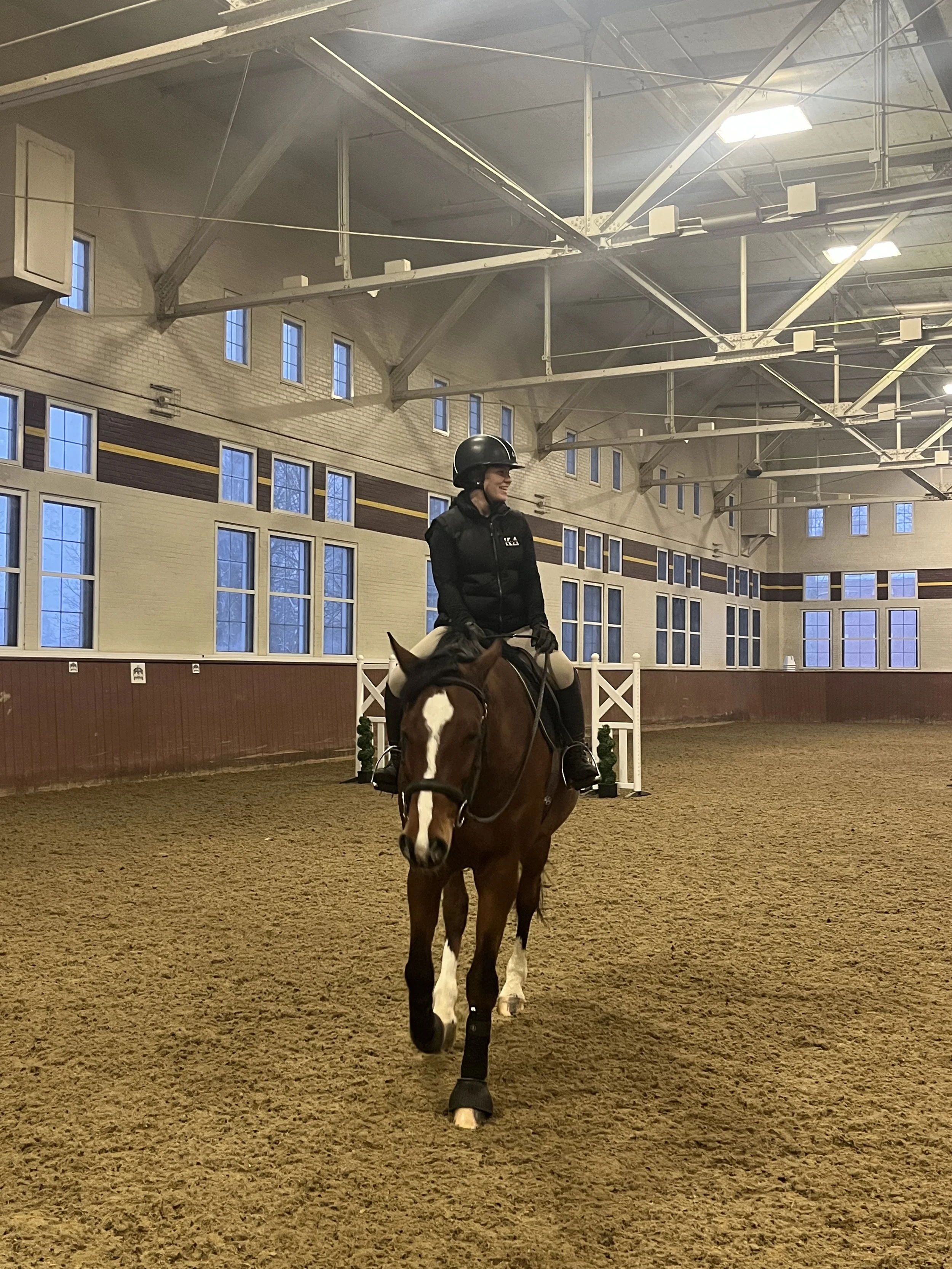
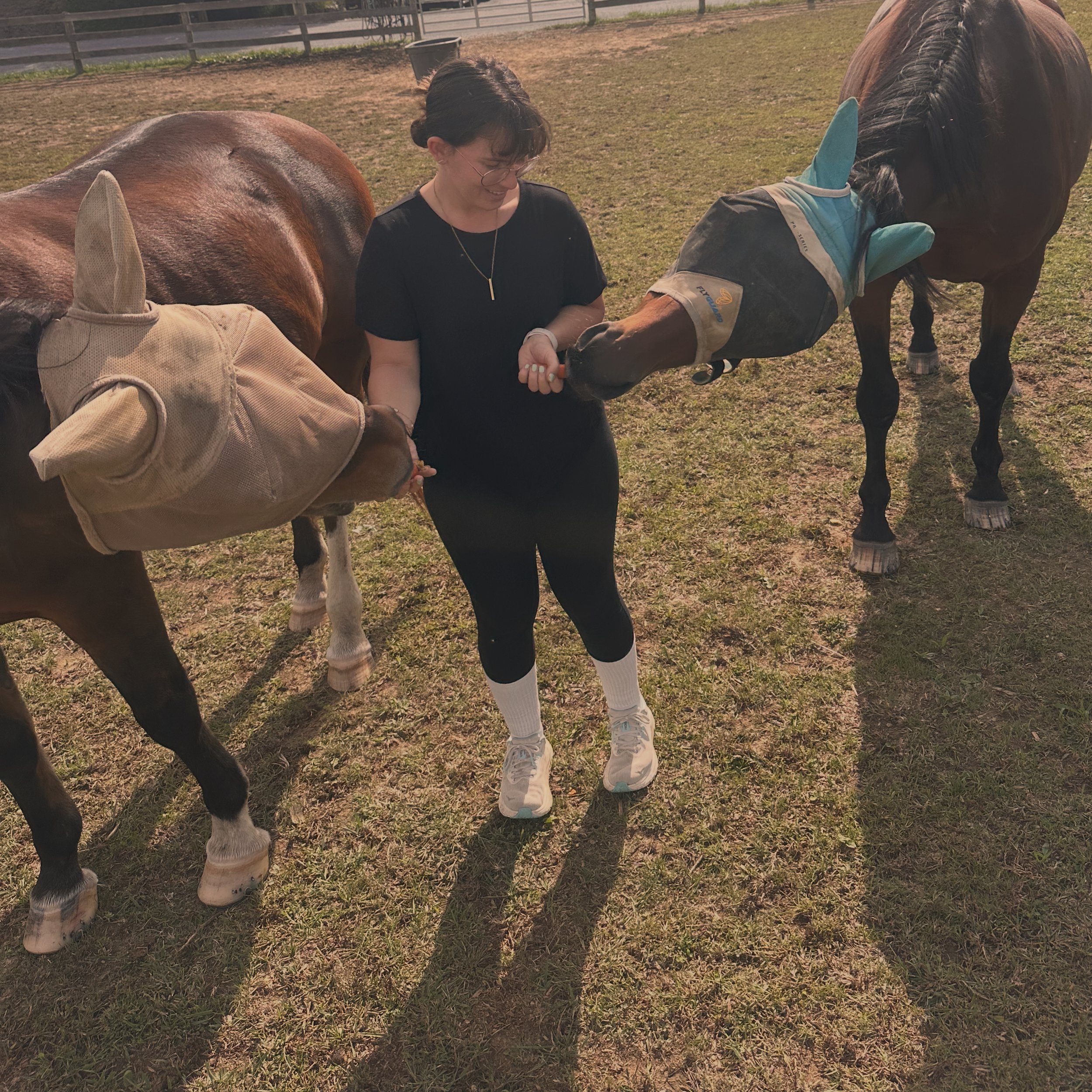
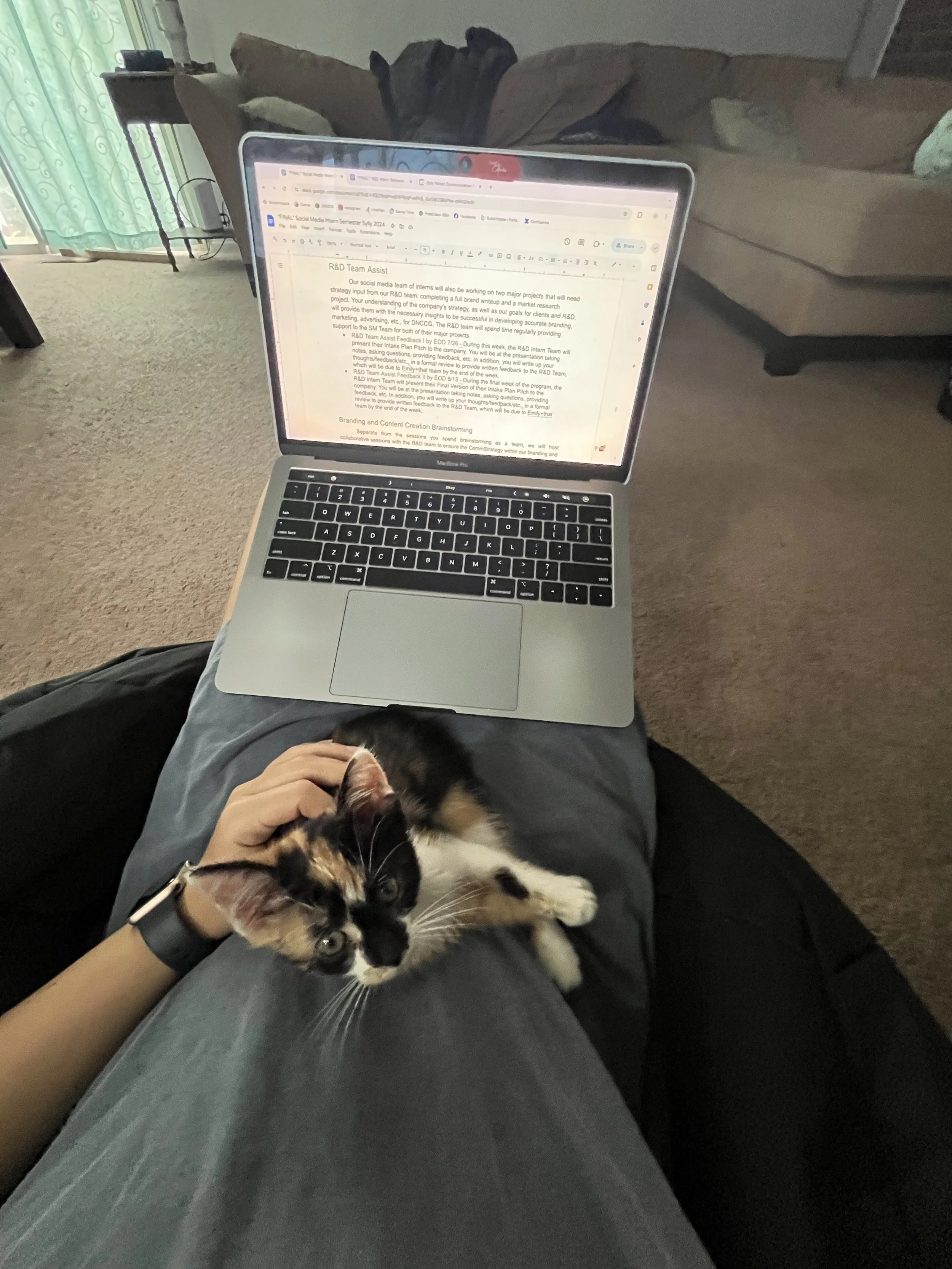
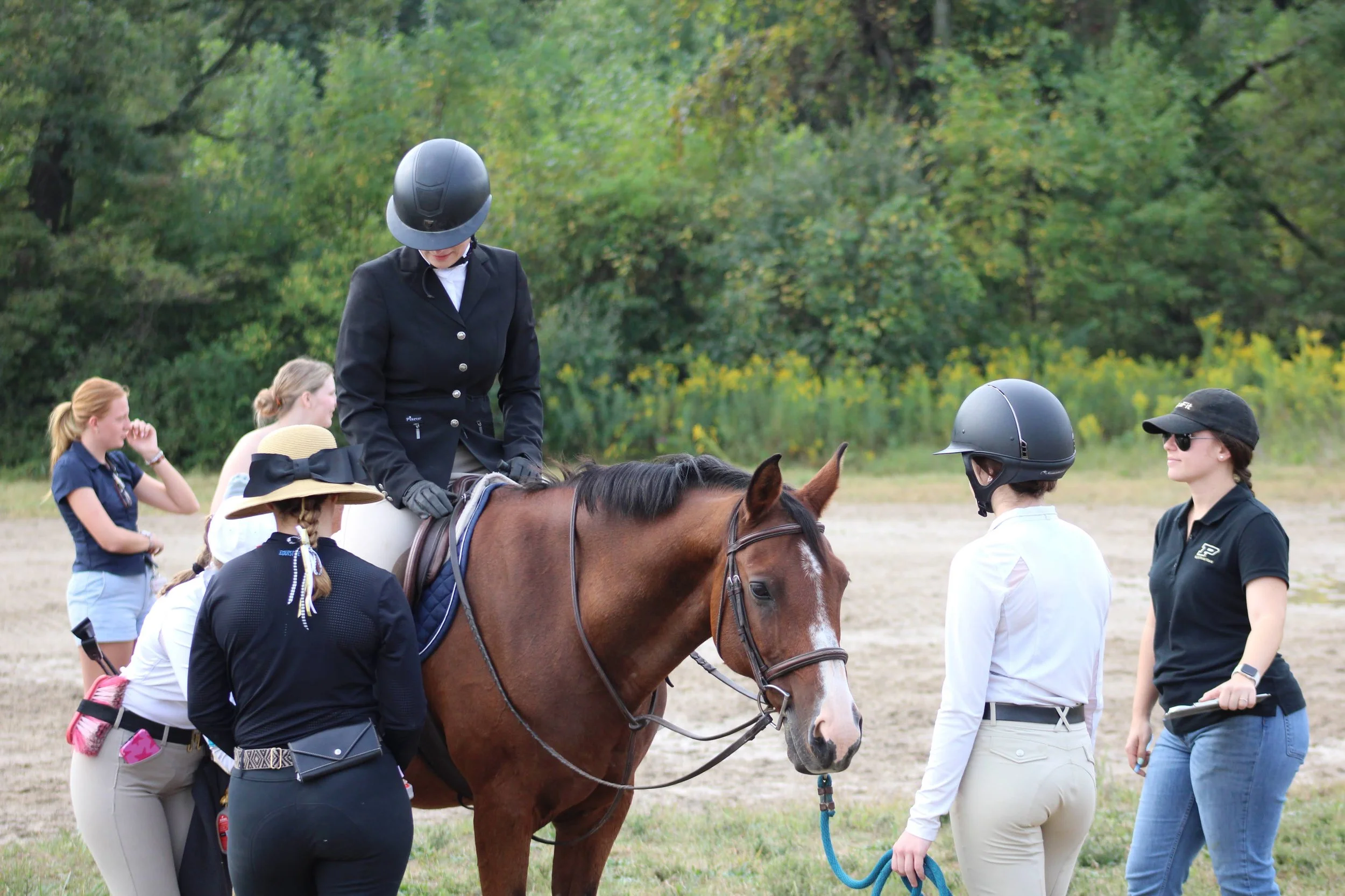
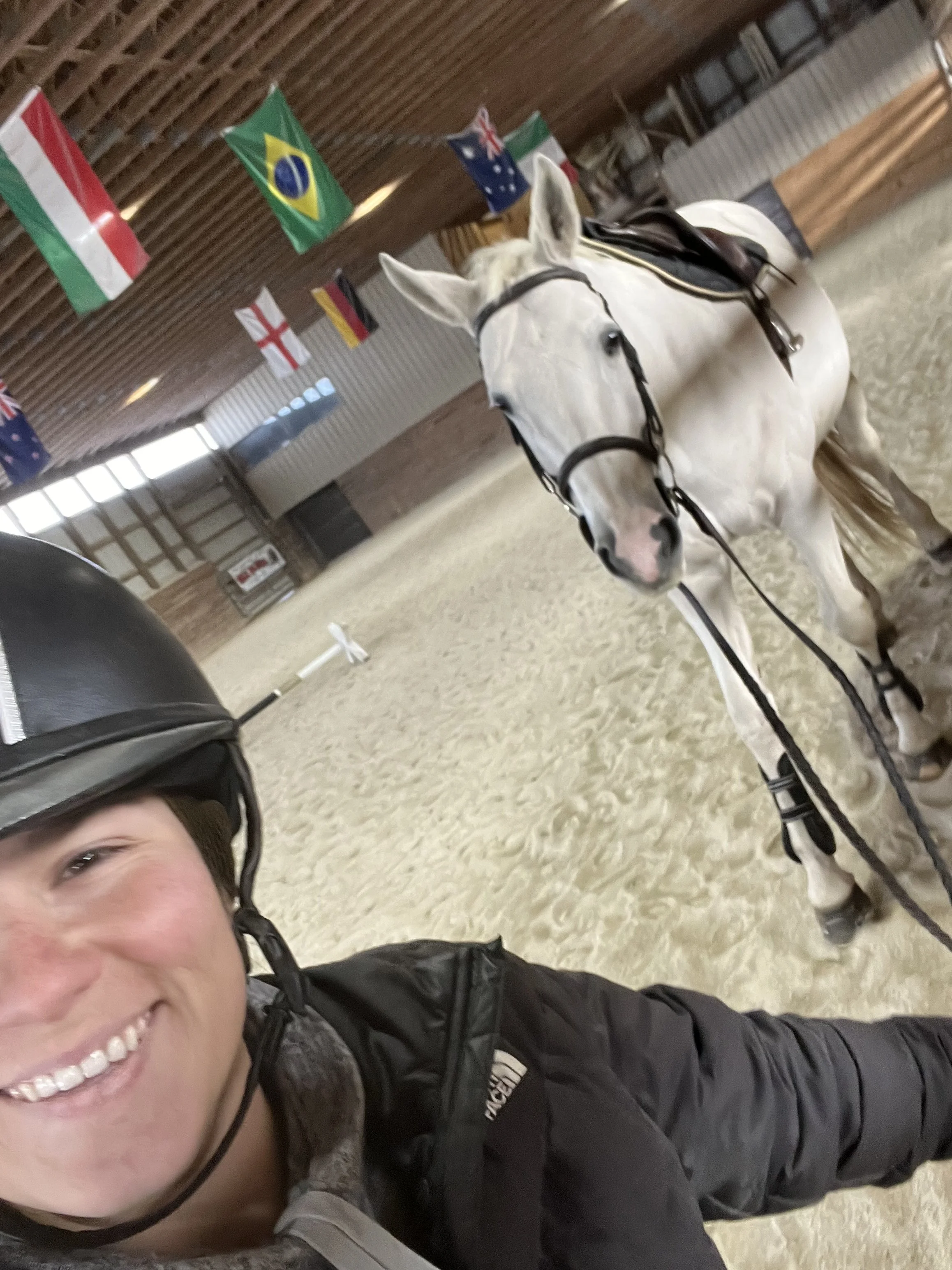
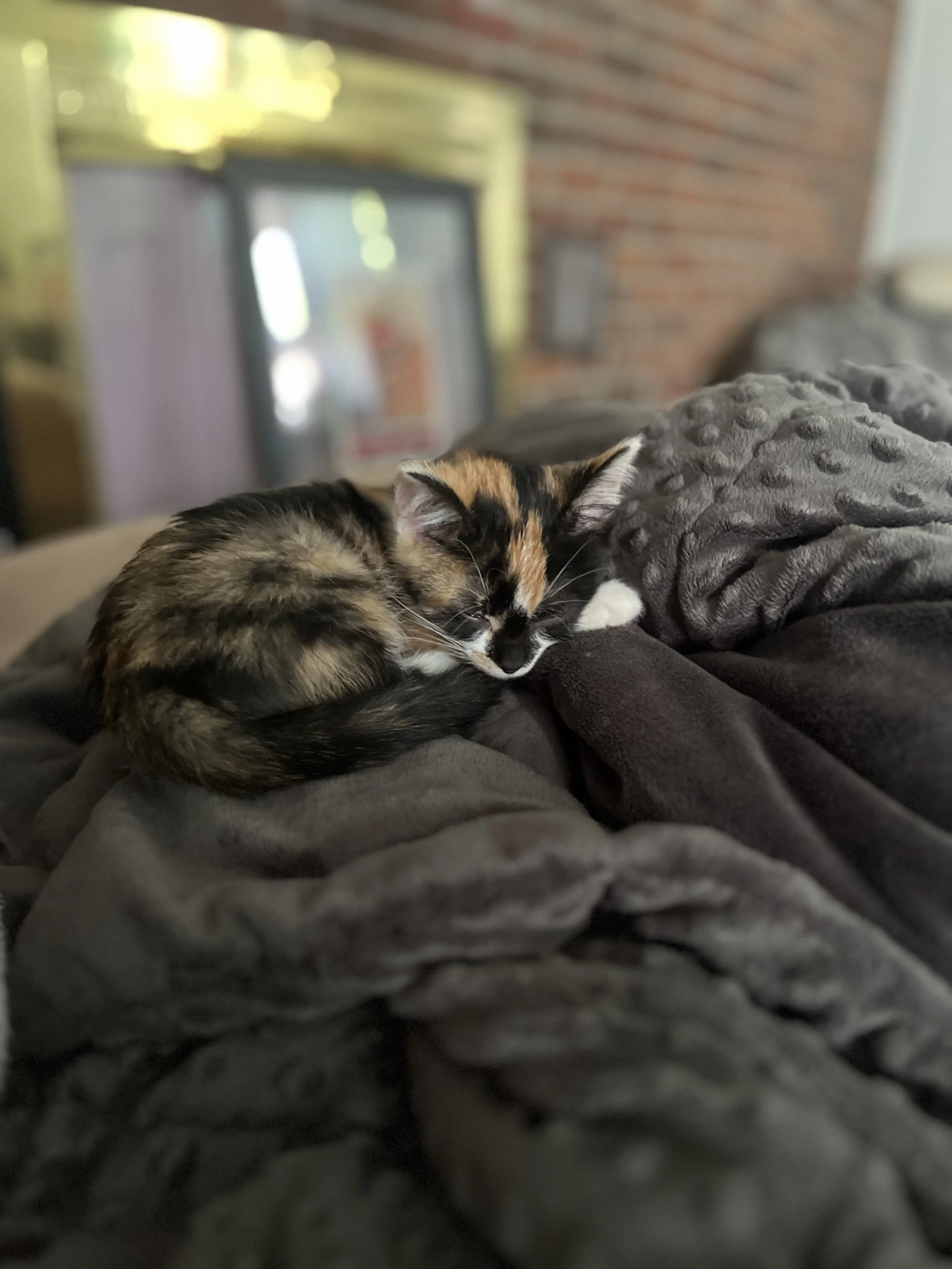
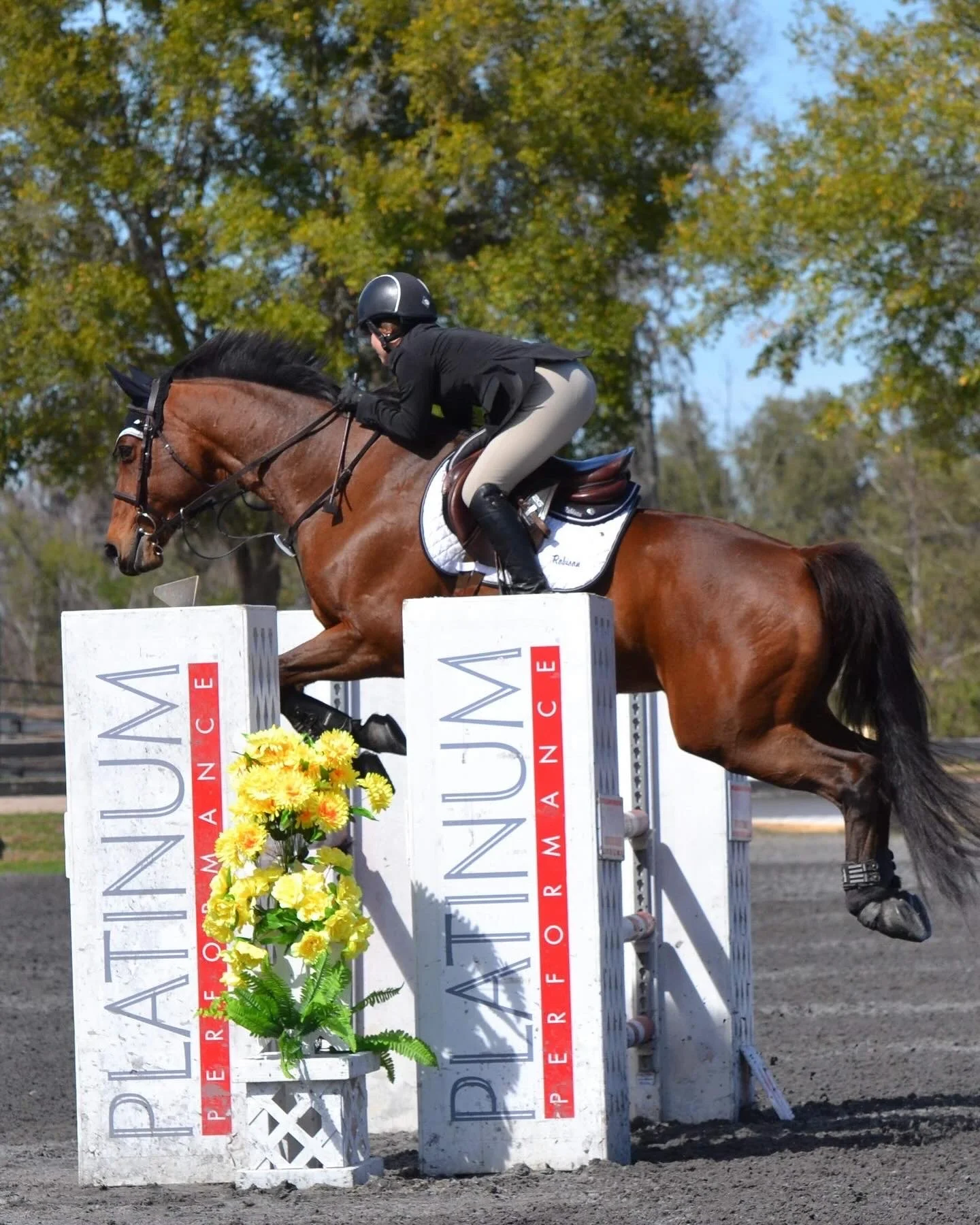
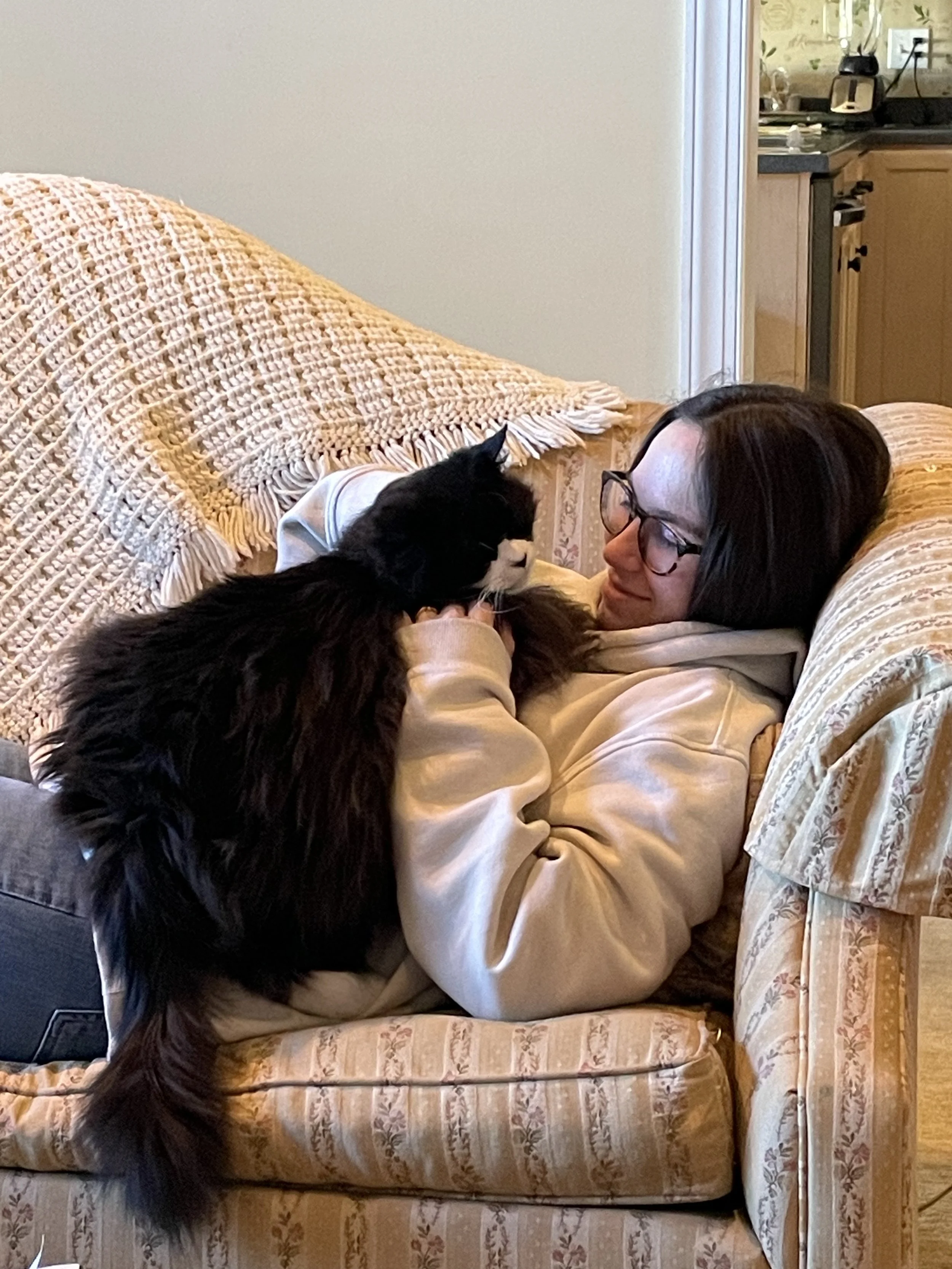
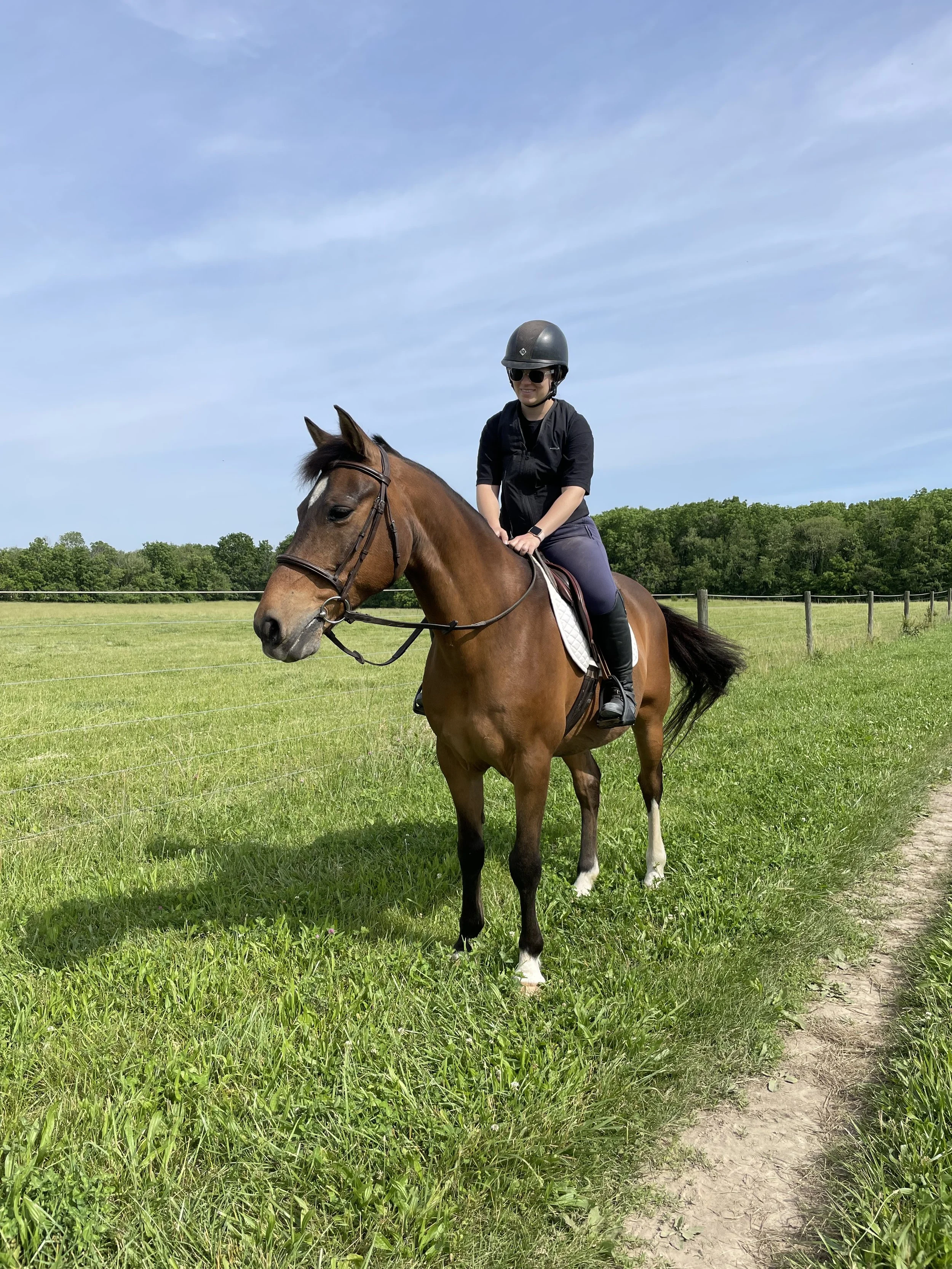
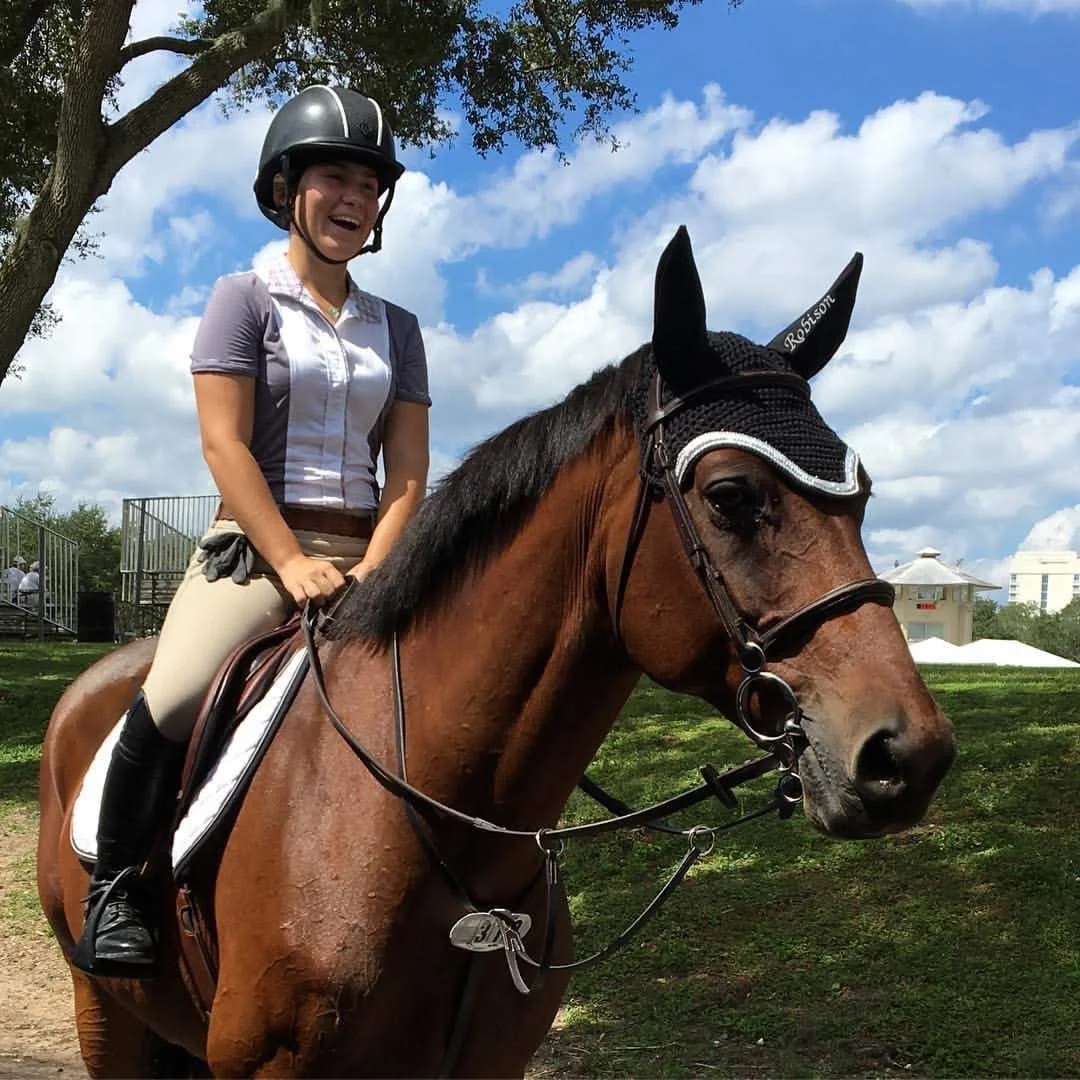
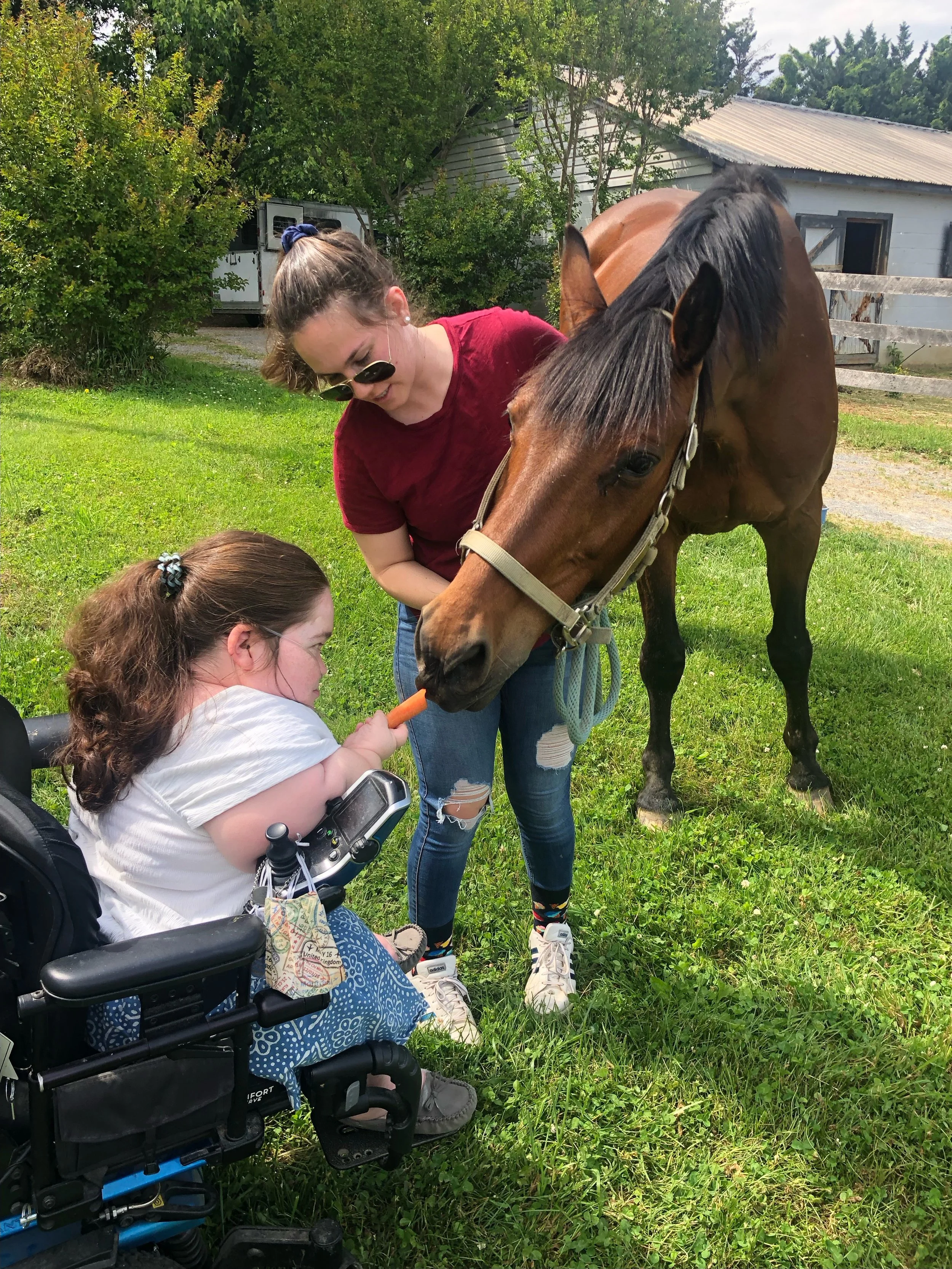
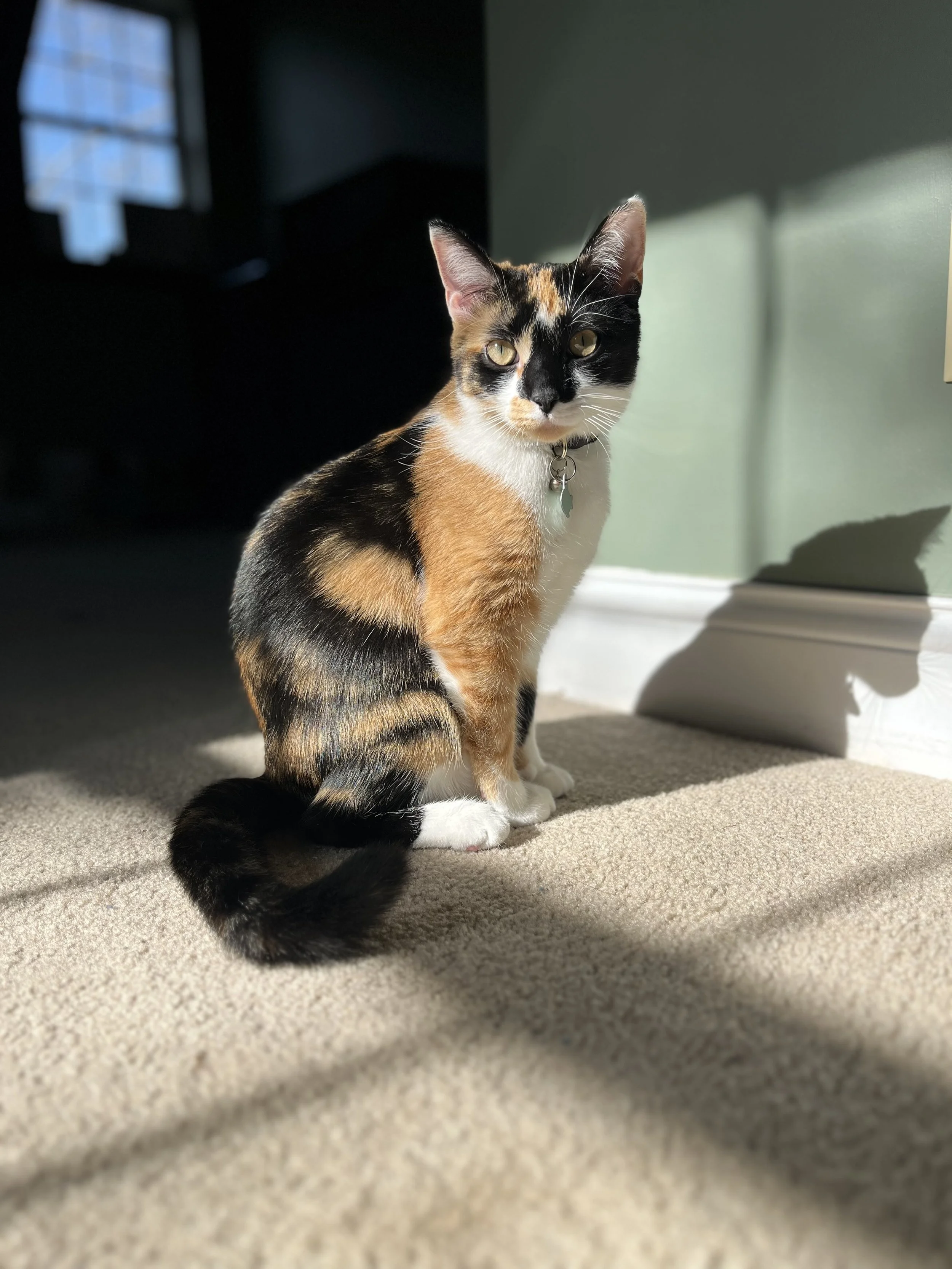
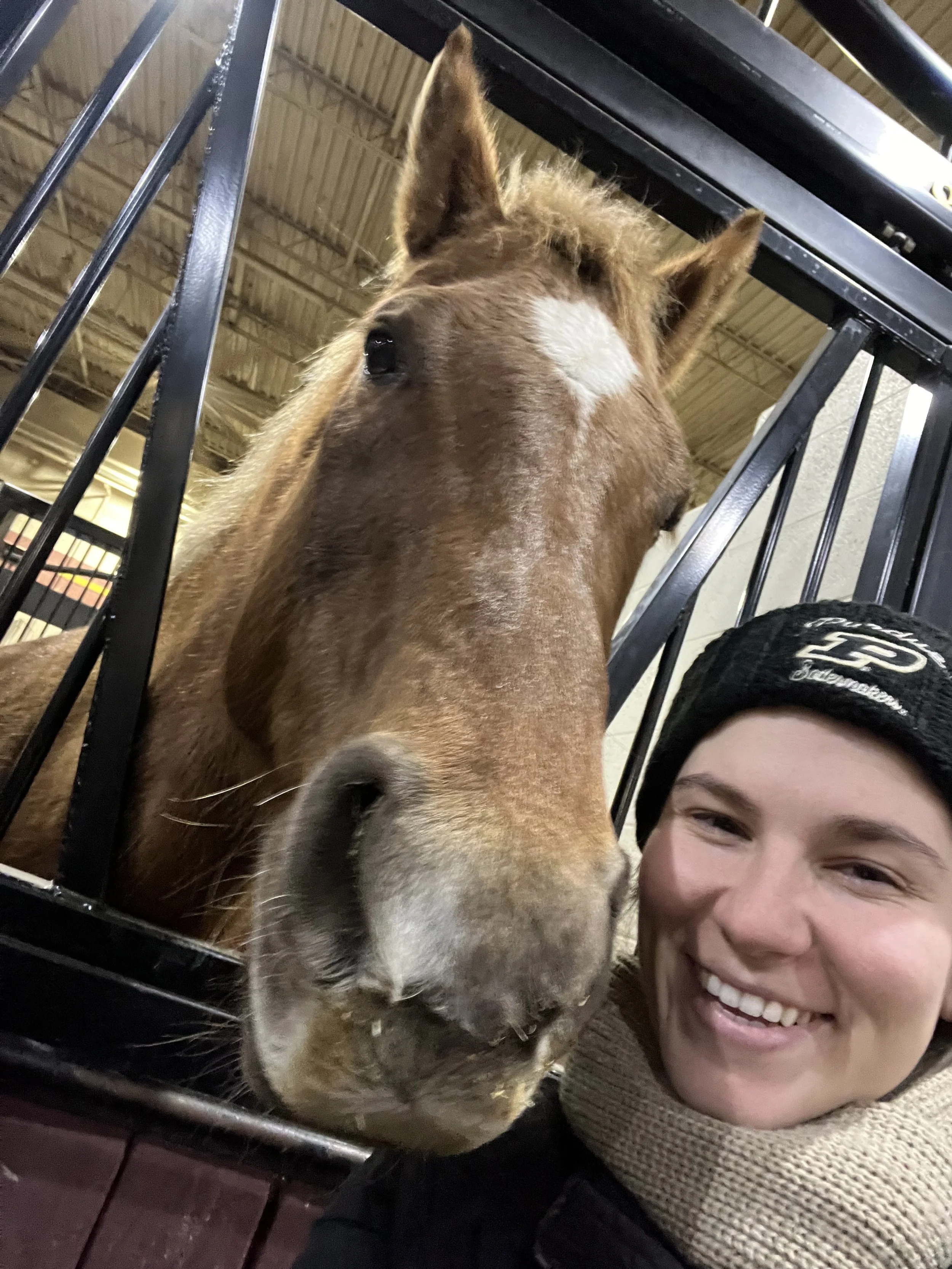
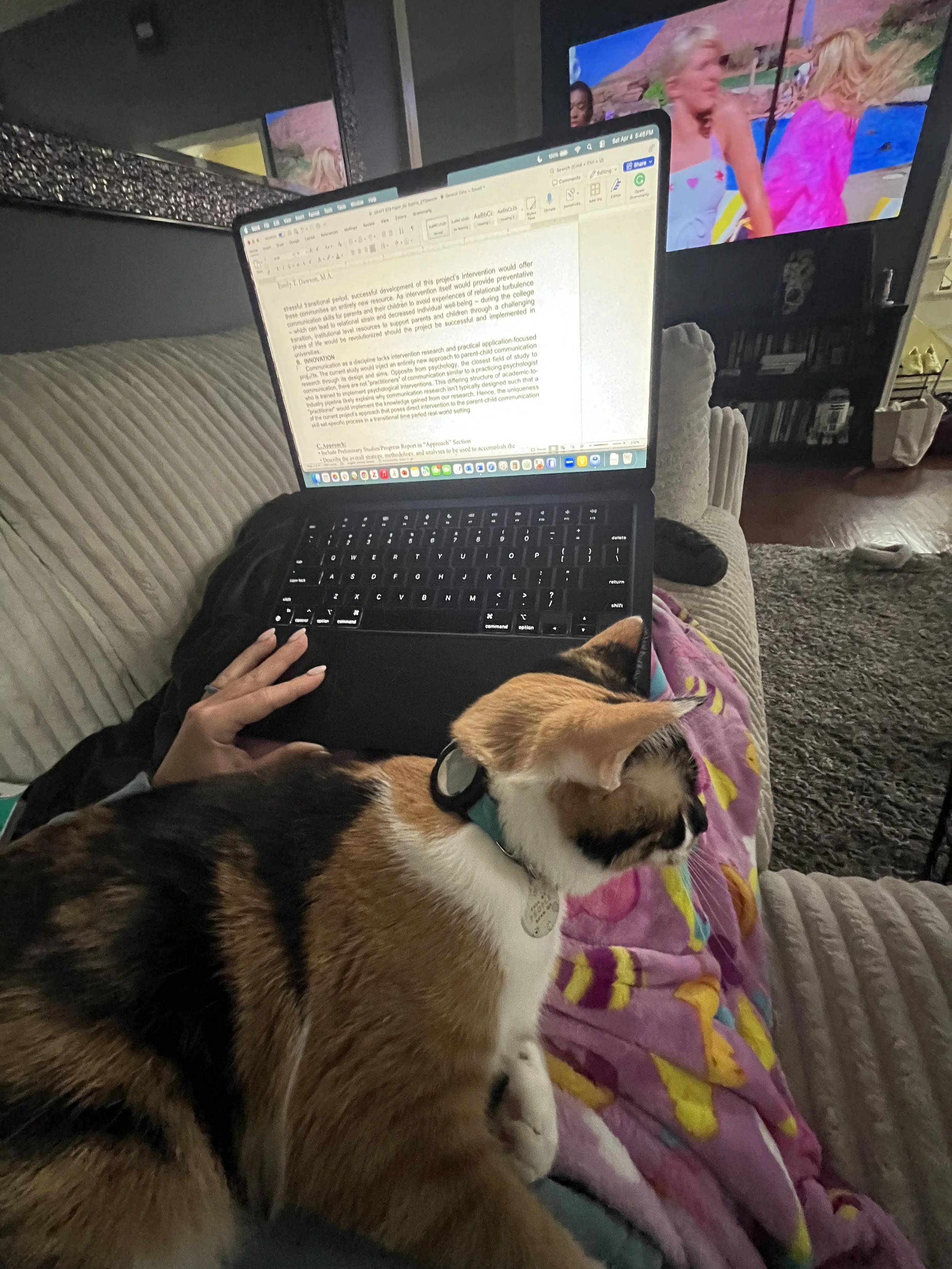
To emphasize that I always practice what I preach to my clients, here is some photographic evidence of just some of the many beautiful animals who’ve been my communication teachers over the years!